
Introduction
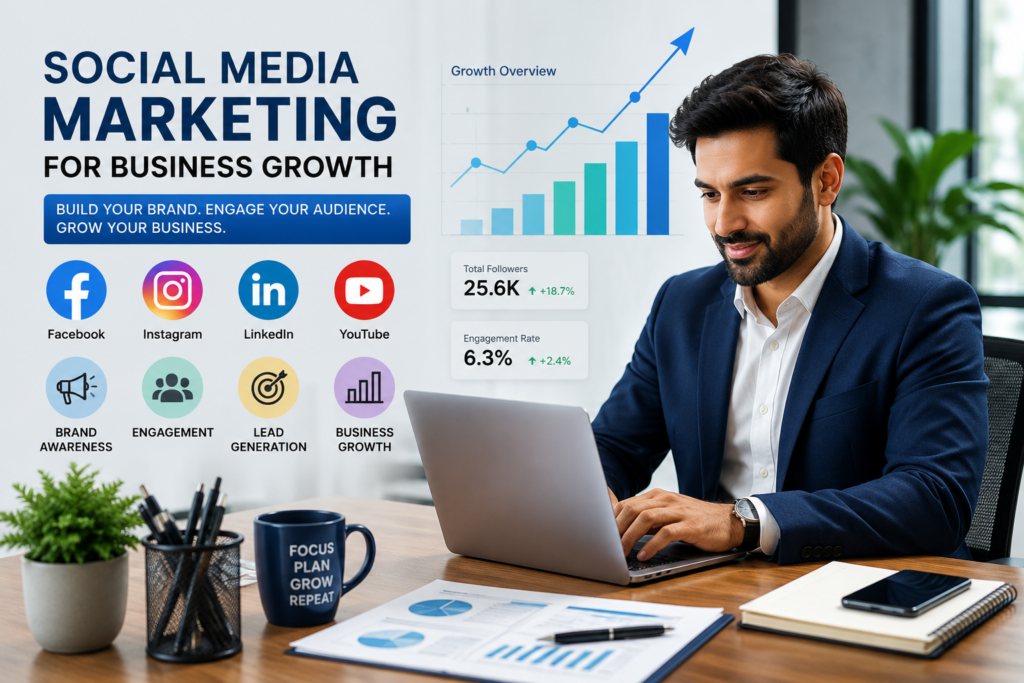
Social media marketing for business has become an essential part of modern business growth. Moreover, social media marketing helps businesses build stronger customer relationships and improve brand trust. With billions of active users across platforms like Facebook, Instagram, LinkedIn, and YouTube, businesses have more opportunities than ever to connect with customers, build brand awareness, and increase revenue. Whether you run a startup, a local business, or a growing enterprise, social media marketing can help you reach the right audience at the right time. Unlike traditional advertising, social media allows direct interaction with customers. Businesses can answer questions, receive feedback, showcase products, and build long-term relationships. When used strategically, social media marketing becomes a powerful tool for attracting customers and driving sustainable growth.
What Is Social Media Marketing?
Social media marketing is the process of promoting a business, product, or service through social media platforms. It includes content creation, audience engagement, paid advertising, analytics tracking, and community building.
Popular social media platforms include:
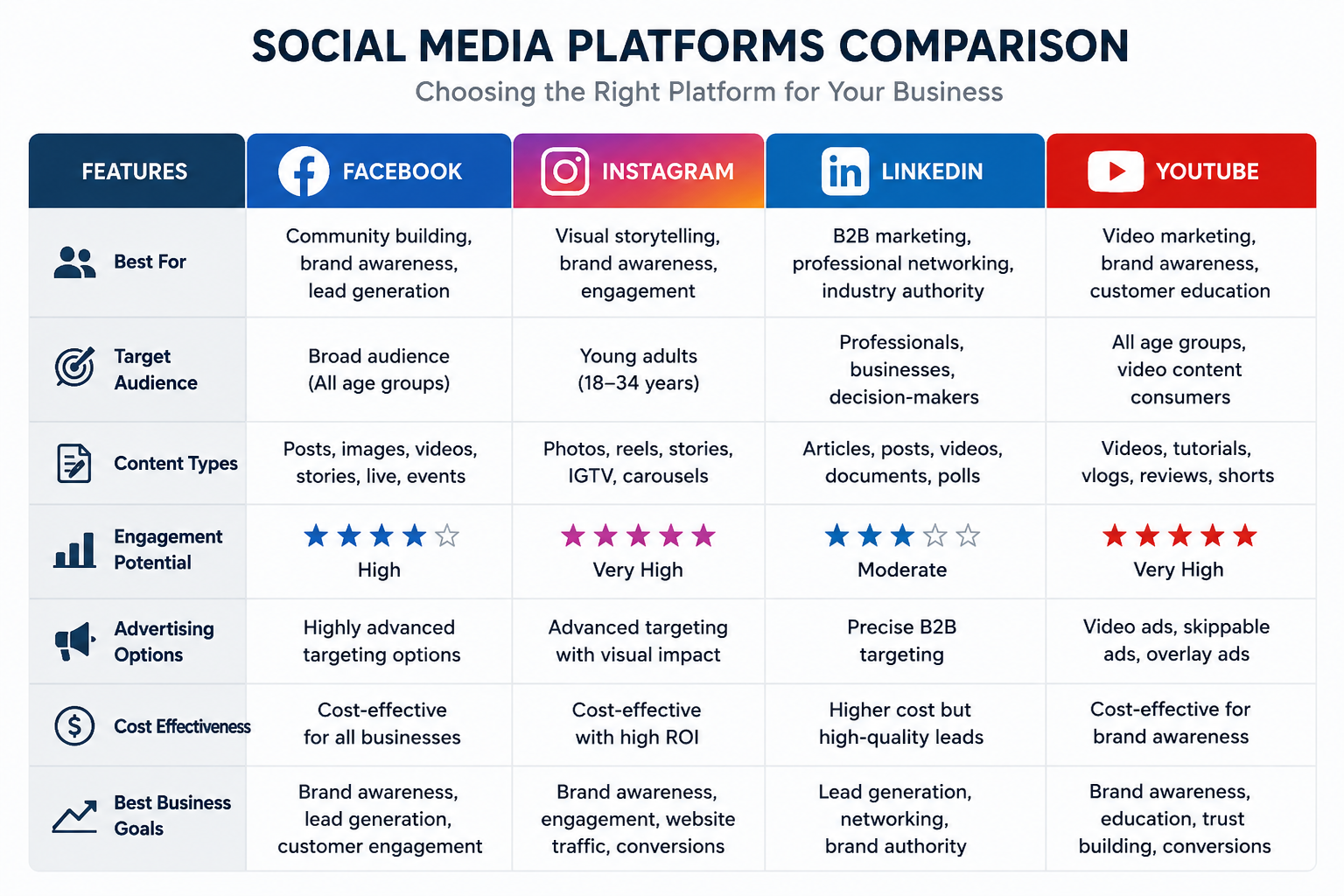
Ideal for community building, lead generation, and targeted advertising.
Perfect for visual storytelling, product showcases, reels, and audience engagement.
Best for B2B marketing, professional networking, and industry authority.
YouTube
Useful for educational content, tutorials, product demonstrations, and customer testimonials.
Why Social Media Marketing for Business Is Important
1. Increases Brand Awareness
One of the biggest advantages of social media marketing is increased visibility. Every post, reel, story, or video helps expose your brand to a wider audience. Businesses that consistently publish valuable content are more likely to stay top-of-mind with potential customers.
For example, a real estate company can share property tours, market updates, and client success stories to attract potential buyers while strengthening brand recognition.
2. Builds Trust and Credibility
Customers prefer businesses they trust. Social media allows brands to demonstrate expertise, share customer testimonials, and provide useful information.
For example, a healthcare clinic that regularly shares wellness tips and educational content can establish itself as a trusted authority in its field.
3. Drives More Website Traffic
Social media acts as a bridge between your audience and your website. Sharing blog articles, service pages, and special offers encourages users to visit your site.
A digital marketing agency can promote an SEO guide on LinkedIn, driving qualified visitors who are interested in learning more.
4. Generates Quality Leads
Social media platforms offer advanced targeting options that help businesses reach potential customers based on interests, demographics, and behavior.
A hospital can use Facebook Lead Ads to collect appointment enquiries, while a real estate business can target users searching for properties in a specific location.
5. Improves Customer Engagement
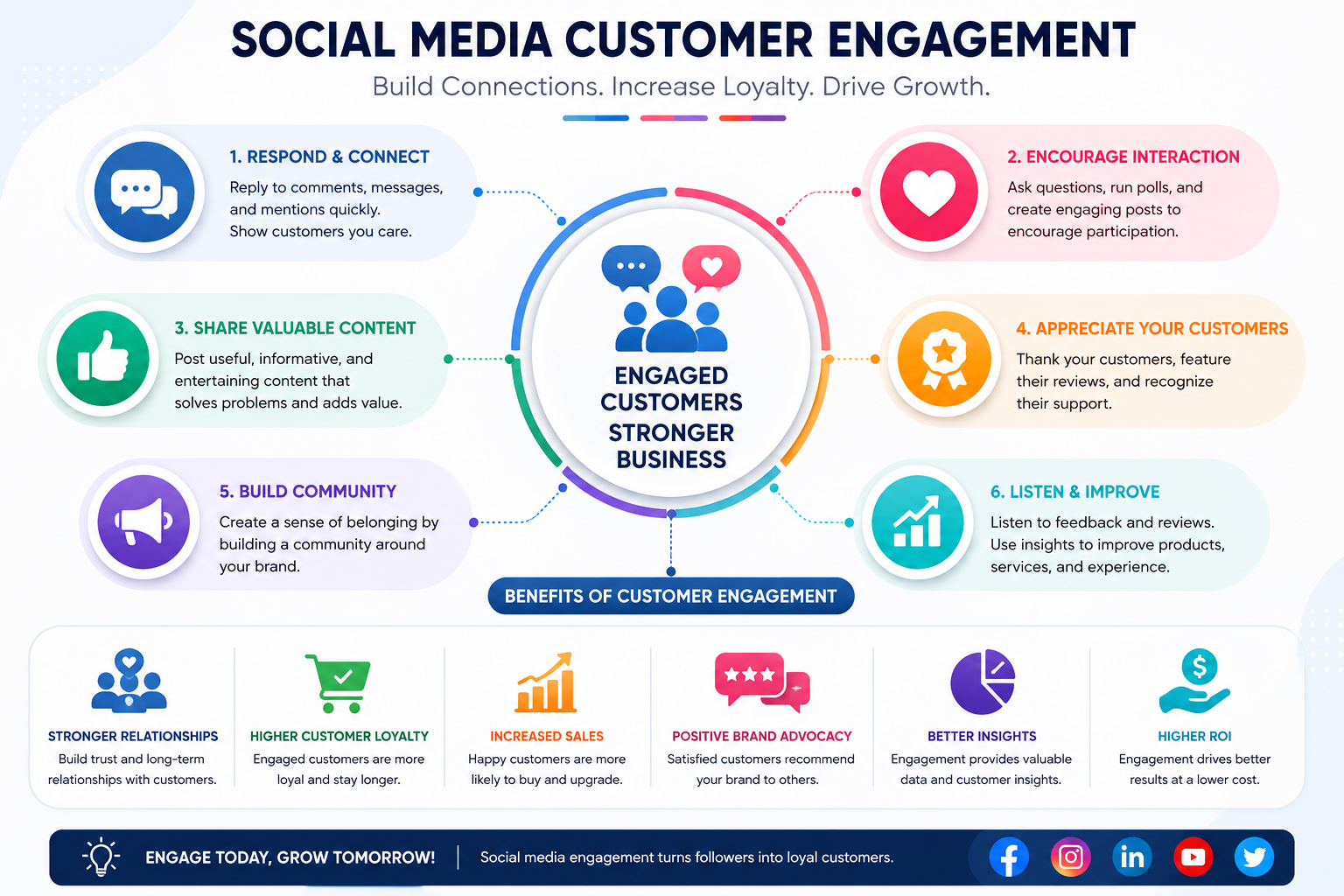
Unlike traditional advertising, social media encourages two-way communication. Customers can comment, ask questions, participate in polls, and engage directly with brands.
Restaurants often use Instagram Stories to gather feedback about new menu items and improve customer relationships.
6. Supports Cost-Effective Marketing
Compared to television, radio, and print advertising, social media marketing is highly affordable. Businesses can start with a small budget and scale campaigns based on performance.
This flexibility makes social media an attractive option for startups and small businesses.
7. Boosts Sales and Conversions
Social media platforms have become powerful sales channels. Businesses can showcase products, promote offers, and guide users directly to purchase pages.
For example, ecommerce stores use Instagram Shopping to simplify the buying process and increase conversions.
8. Provides Valuable Customer Insights
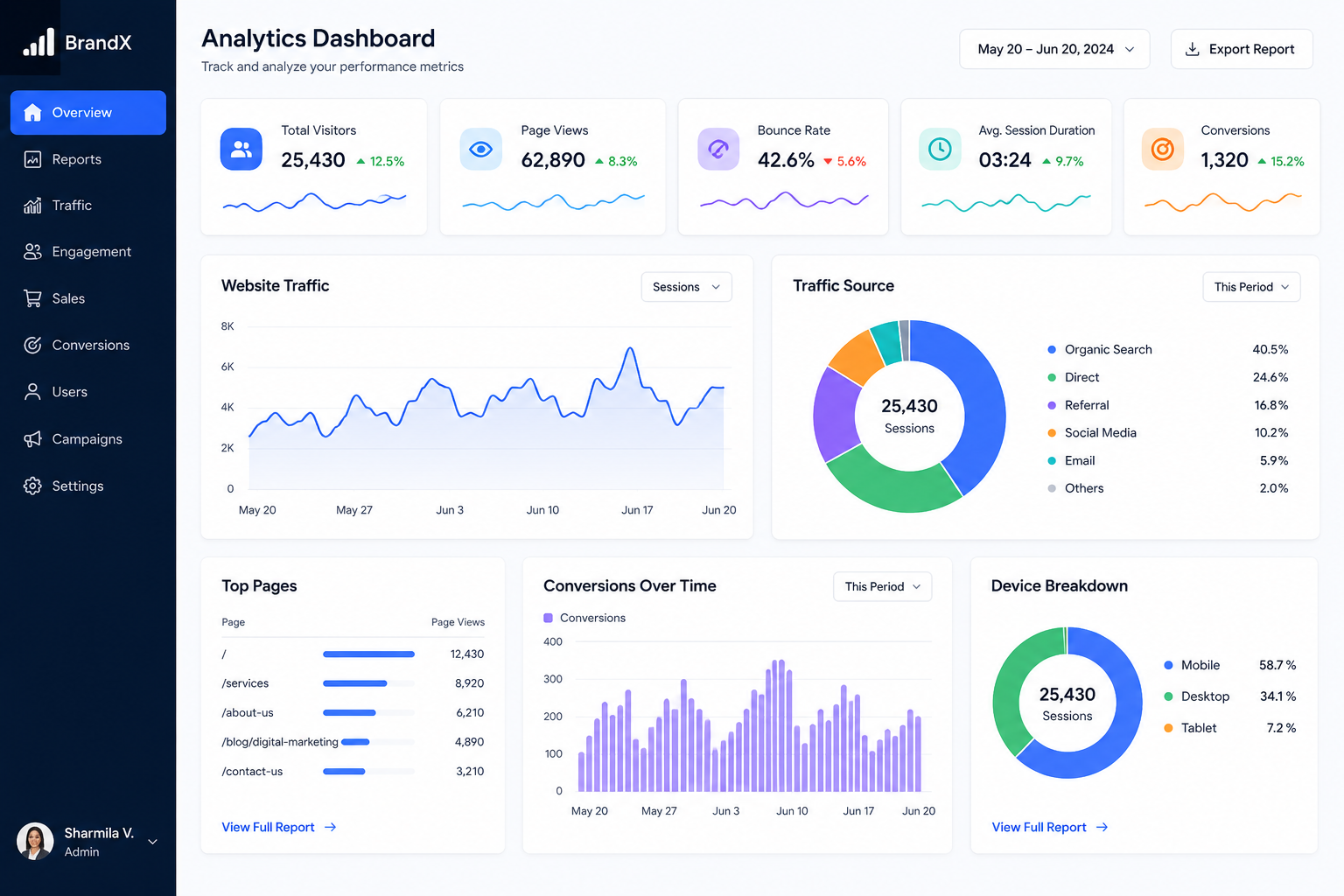
Analytics tools help businesses understand audience behavior and campaign performance.
Important metrics include:
These insights help improve marketing decisions and maximize ROI.
9. Helps Businesses Stay Ahead of Competitors
Social media marketing for business to monitor competitor activity and identify emerging trends. Understanding what competitors are doing can help refine strategies and uncover new opportunities.
10. Strengthens Long-Term Customer Relationships
Successful businesses focus on customer retention as much as acquisition. Social media helps maintain ongoing communication through updates, educational content, and personalized interactions.
Customers who feel connected to a brand are more likely to become repeat buyers and recommend the business to others.
Best Social Media Marketing for Business Platforms
Facebook for Brand Awareness
Facebook remains one of the most effective platforms for reaching large audiences and building communities.
Instagram for Visual Marketing
Instagram is ideal for showcasing products, services, and behind-the-scenes content through images and videos.
LinkedIn for B2B Growth
LinkedIn helps businesses connect with decision-makers, establish authority, and generate professional leads.
YouTube for Video Marketing
Video content builds trust and allows businesses to explain complex topics more effectively.
Social Media Marketing for Business Strategies
Define Clear Goals
Set measurable objectives such as increasing website traffic, generating leads, or improving brand awareness.
Understand Your Audience
Research customer demographics, interests, challenges, and online behavior.
Create Valuable Content
Focus on content that educates, entertains, and solves customer problems.
Maintain Consistency
Regular posting helps maintain visibility and engagement.
Monitor Performance
Track analytics and optimize campaigns based on results.
Social Media Marketing Trends in 2026
Real-Life Examples of Social Media Marketing Success
Common Social Media Marketing Mistakes to Avoid
Posting Inconsistently
Irregular posting can reduce visibility and engagement.
Ignoring Customer Comments
Responding to comments and messages helps build stronger relationships.
Over-Promoting Products
Balance promotional content with educational and entertaining posts.
Not Tracking Analytics
Without data, it is difficult to understand what works and what needs improvement.
Using Low-Quality Visuals
Professional images and videos improve credibility and user engagement.
Frequently Asked Questions
Why is social media marketing important for businesses?
It helps businesses increase visibility, build trust, generate leads, and improve sales.
Which social media platform is best for business?
The best platform depends on your audience, industry, and goals.
Can social media marketing increase website traffic?
Yes. Sharing valuable content can drive targeted visitors to your website.
How long does social media marketing take to show results?
Results vary, but consistent efforts often produce measurable improvements within a few months.
Is social media marketing suitable for small businesses?
Absolutely. Social media provides affordable marketing opportunities for businesses of all sizes.
How often should businesses post on social media?
Post consistently to keep your audience engaged and maintain brand visibility.
What type of content performs best on social media?
Educational, entertaining, and engaging content typically performs best on social media.
Is paid advertising necessary for social media success?
Paid advertising is optional but can help businesses reach more people and achieve faster results. 🚀
Conclusion
Businesses can also improve results by combining social media with SEO and digital marketing strategies. Whether you run a startup, local business, or growing enterprise, social media marketing can help you reach the right audience. It also improves brand visibility and engagement. Social media marketing for business is no longer optional for modern businesses. It has become one of the most effective ways to increase brand awareness, build trust, generate leads, and drive long-term growth. By creating valuable content, engaging with customers, and monitoring performance, businesses can establish a strong online presence and stay competitive in an increasingly digital world.